New York City · September 25, 2026
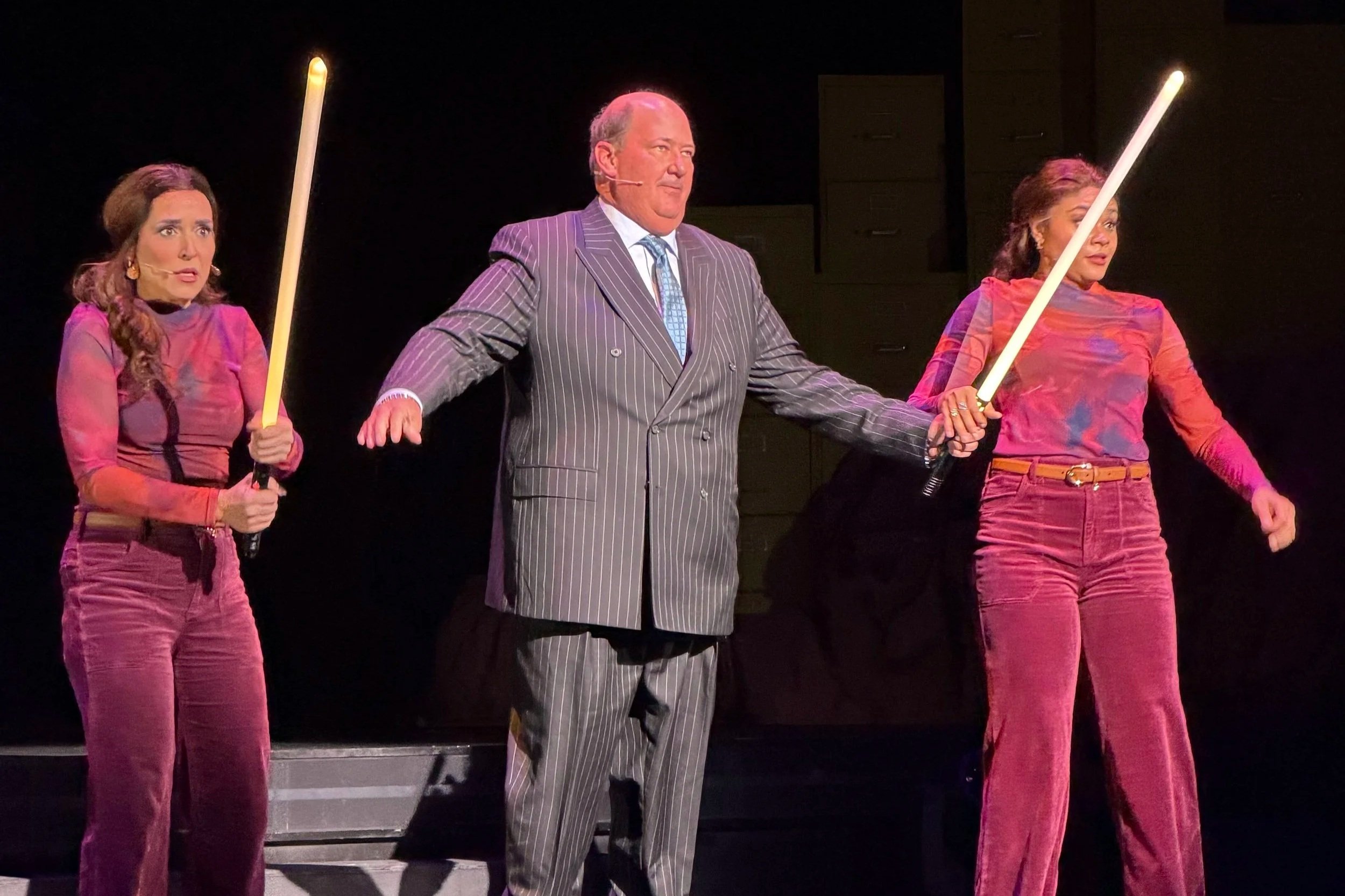
Inspired by the lavish industrial musicals commissioned by major American companies in the 1950s and ’60s, fintech company Ramp created an enormous Broadway spectacle to celebrate real artists, physical art, and the Broadway art form itself staged inside the Broadhurst Theater this Fall.
Wooden helmed the show starring Tony Award winner Billy Porter (Kinky Boots), Billy Zane (Titanic), Jessica Vosk (Wicked, Beaches), and Rema Webb (Lion King), with an eight-person Broadway ensemble. It featured a book by Kevin Zak (Ginger Twinsies), music and lyrics by Jason Michael Snow, choreography by Antoinette DiPietropolo, music direction by Adam Laird, and music supervision, orchestrations, and arrangements by Ben Cohn.
Creative and production team included scenic designer Paul Tate de Poo III, costume designer Andrea Hood, lighting designer Karen Spahn, sound designer Sun Hee “Sunny” Kil, wig, hair, and makeup designers J. Jared Janas and Dotty Petersen, casting director Patrick Goodwin, and associate director Ella Raymont.
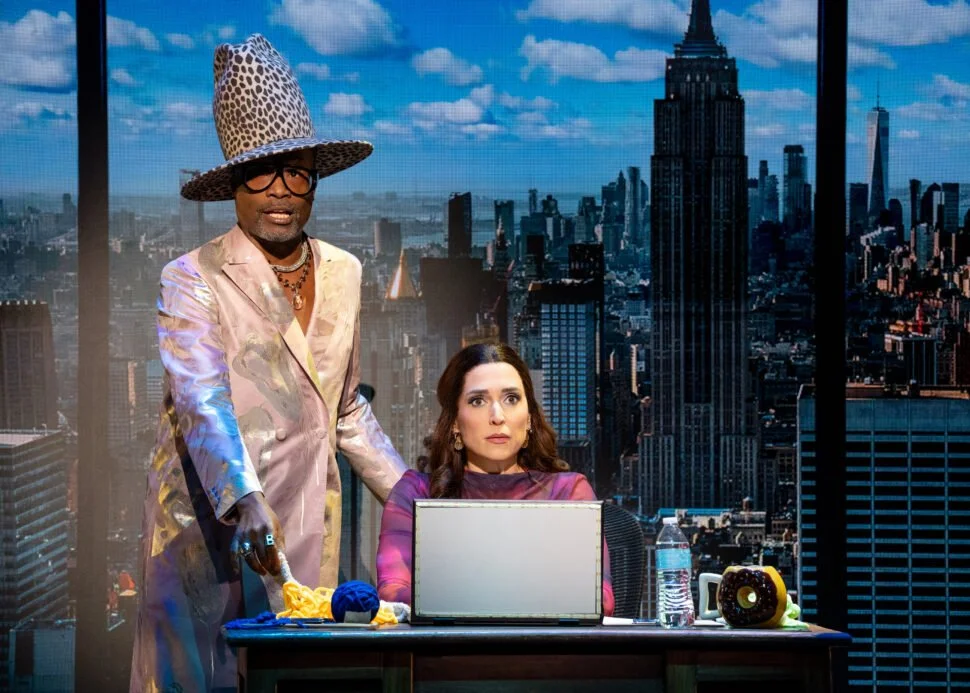
The result was a deliberately oversized collision of Broadway spectacle, corporate mythology, and comedy: movie stars, dancing hobbits, elaborate video worlds, confetti, artificial intelligence, and a surprisingly earnest story about time, work, and what remains human inside an increasingly automated world.
The production was developed with Ramp producers Kendall Tucker and Amber Layne, alongside Ryan Bogner, Tracey Stroock McFarland, and Zachary Thomas Hedner, with production support from Broadway & Beyond Theatricals, DR Theatrical Management, Tandem Production Partners, 7 Miles Global, and Super Awesome Friends.
The event drew coverage from Playbill, BroadwayWorld, and Slate, which described the evening as a genuine theatrical experience rather than a conventional branded event. The production culminated in a confetti-filled curtain call, where Ramp CEO Eric Glyman joined the company and declared, “A.I. is for finance. It is not for fine art.”
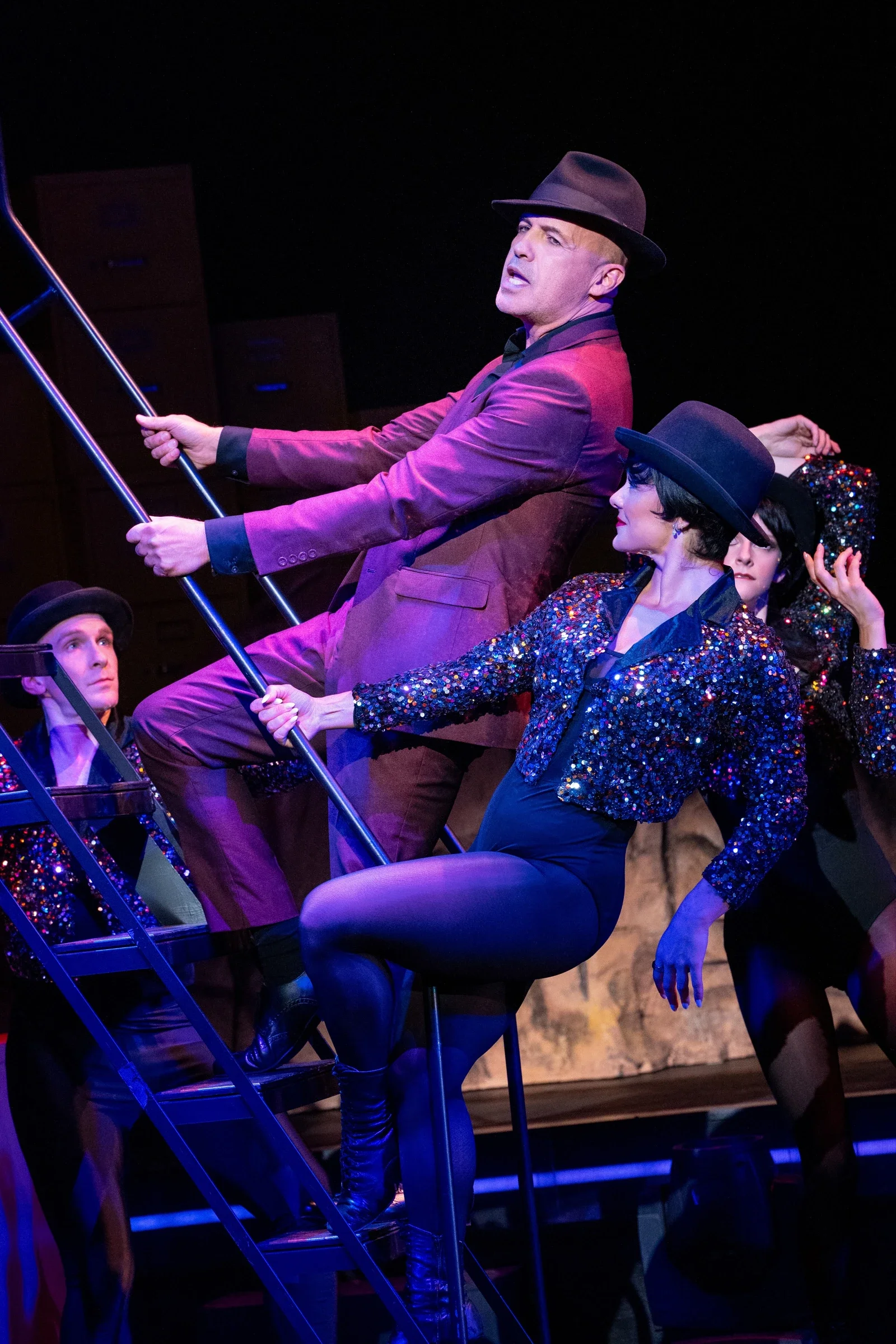
The production drew national attention for its scale and theatrical ambition. Slate called it “a real experience,” while People highlighted its “original score, choreography and a professional Broadway creative team.” BroadwayWorld described the sold-out production as a “fully staged, original musical comedy” that “reimagines [the industrial musical] tradition for the AI era,” and InsideHook singled out “the sheer spectacle of the event.”
In advance of the performance, BroadwayWorld profiled Wooden under the headline: “Keaton Wooden Is Bringing a ‘Fever Dream’ to Broadway.”